Join Our PeachPoints Program
Microwaves in Restaurants: More Useful Than You Think
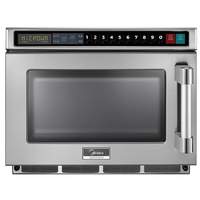
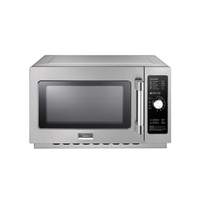
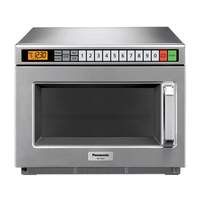
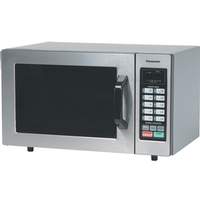
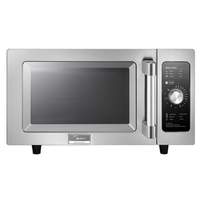
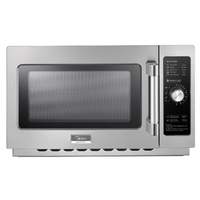
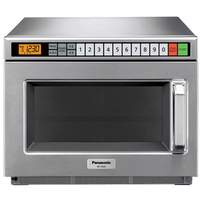
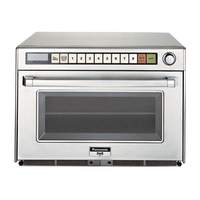
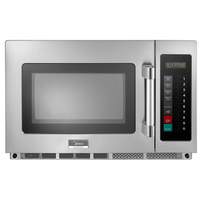
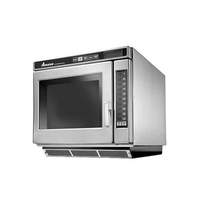
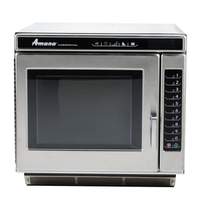
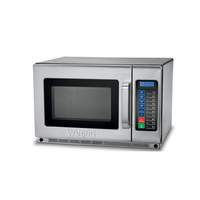
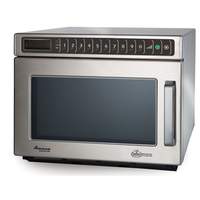
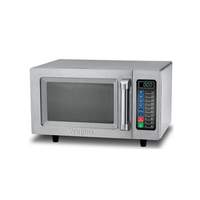
Microwaves have a reputation problem in professional kitchens. They’re often seen as shortcuts or “home appliances,” but when used correctly, commercial microwaves are powerful support tools—not replacements for real cooking.
Why Microwaves Actually HelpMicrowaves shine when it comes to speed and consistency. They’re ideal for reheating soups, sauces, sides, and pre-cooked proteins, helping reduce ticket times during busy service. They also free up burners and ovens so cooks can focus on cooking, not reheating.
They’re energy-efficient, don’t overheat the kitchen, and take up minimal space—making them perfect for prep stations, expo lines, cafés, and food trucks.
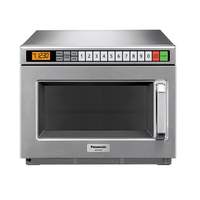
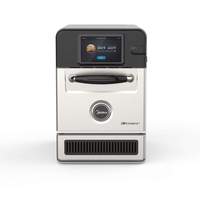
Where Speed Ovens Take It FurtherSpeed ovens combine microwave energy with convection heat (and sometimes impingement), allowing food to cook quickly while still browning and crisping. What might take 8 minutes in a traditional oven can be ready in under a minute with a speed oven.
They’re great for paninis, flatbreads, breakfast sandwiches, roasted vegetables, and frozen items. Speed ovens also allow operators to expand menus without installing full hood systems, while maintaining consistency through programmable cooking.
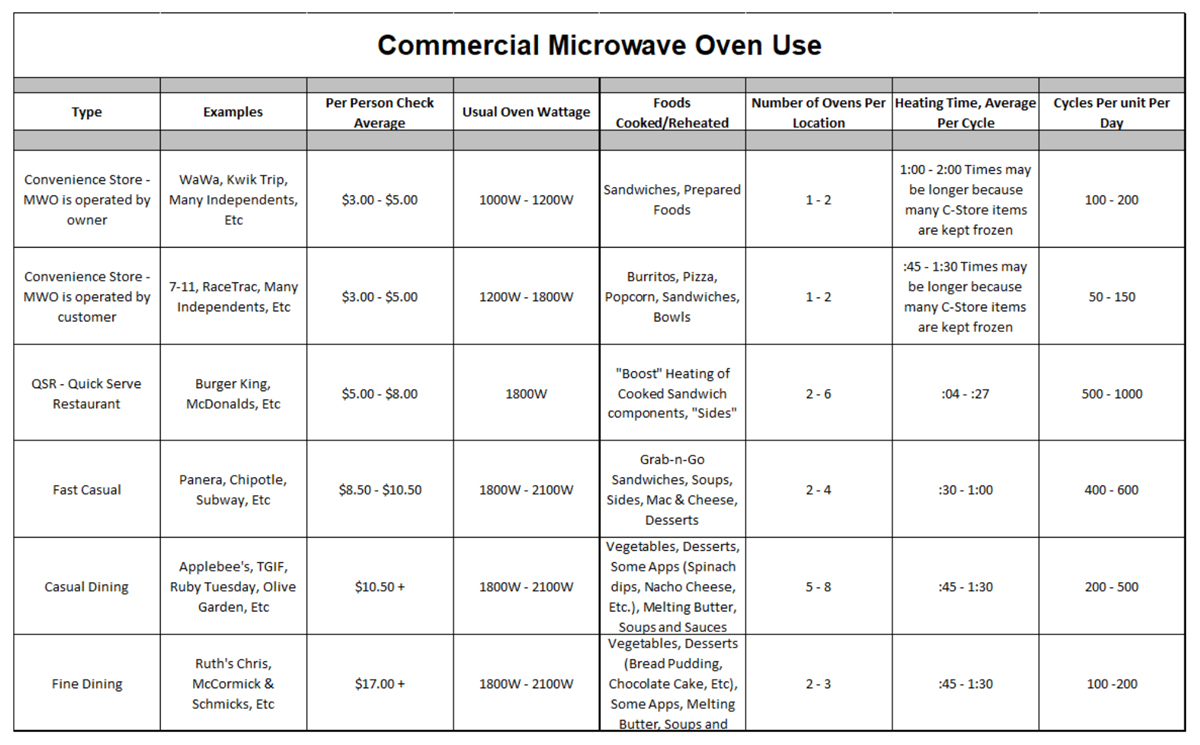
This chart shows how widely microwave ovens are used across the foodservice industry, from convenience stores to fine dining restaurants, reinforcing their role as essential kitchen equipment. As restaurant complexity increases, so does microwave power, with wattages ranging from about 1000–1200 watts in convenience stores up to 1800–2100 watts in full-service and fine dining kitchens. Microwaves are used to reheat and finish a wide range of menu items, including sandwiches, burritos, soups, sides, vegetables, sauces, appetizers, and desserts, with typical heating times lasting only seconds to a couple of minutes per cycle. Usage volume is especially high in quick service and fast casual operations, where units can run hundreds of cycles per day, and many locations rely on multiple microwaves to keep up with demand. Overall, the data highlights that microwaves are not occasional tools, but core equipment that supports speed, consistency, and efficient service across nearly every restaurant segment.
The Bottom LineMicrowaves support kitchen flow and consistency. Speed ovens go a step further by creating oven-quality results in a fraction of the time. Together, they help modern kitchens serve food faster—without sacrificing quality.